Ending Explained
Lost Highway Ending Explained: Who Is Pete? (2026)
Lost Highway ending explained: Fred Madison is on death row for murdering his wife when he wakes up as a different man — Pete Dayton, a young mechanic with no connection to the case. The film never explains the swap because the swap is the explanation: Fred has entered a psychogenic fugue, a dissociative state in which the mind builds a new identity to escape what it has done. Pete's life is Fred's fantasy of innocence. It fails. Fred resurfaces, kills the man his wife was involved with, drives home, and speaks one line into his own intercom: "Dick Laurent is dead." That is also the first line of the film.
The Lost Highway ending explained in one sentence is that the film has no ending, because its last scene is its first. Fred Madison buzzes his own gate at the close and delivers the message that was delivered to him at the open, which means the two hours in between are a loop he cannot leave rather than a story he completes. Everything else in the film — the transformation, the second woman with the same face, the man with the white face — hangs off that structure.
What makes this ending different from the other famous puzzle films of its decade is that its director refused, permanently, to resolve it. David Lynch declined to explain Lost Highway for the rest of his life, actively suppressed a commentary track that tried to, and died in January 2025 without ever giving the film a settled reading. His co-writer, the novelist Barry Gifford, has been more forthcoming, and the gap between the two men's willingness to talk is itself the most useful thing anyone can bring to this film. This article works through what happens on screen, what the loop actually is, who Pete Dayton is, and why the two men who wrote it have never agreed on what it means.
Key Findings at a Glance
- Lost Highway cost $15 million and earned $3.8 million worldwide. It was a box-office failure that took three weeks to disappear from cinemas.
- The film opened in 12 theatres on 21 February 1997, taking $212,710. It never played in more than 337 cinemas.
- Critics were split at release. Rotten Tomatoes now records 70% from 63 reviews, while the audience score is 87%.
- The first and last spoken lines of the film are identical: "Dick Laurent is dead."
- Lynch called the film a psychogenic fugue — a real dissociative disorder in which the sufferer constructs a new identity and forgets the old one.
- He described the shape as a Möbius strip: a surface that twists and returns to where it started.
- The transformation is never explained on screen. No doctor, no diagnosis, no cause.
- Lynch died on 16 January 2025, aged 78, having never given the film an authorised explanation. A commentary track recorded for a 2019 Blu-ray was withdrawn at his insistence.
Lost Highway Ending Explained: What Actually Happens?
The plot is a noir with the middle cut out and replaced by a second noir. Fred Madison is a jazz saxophonist in Los Angeles, married to Renee. They live in a house whose hallways do not lead anywhere, and they dislike each other in the quiet way of people who have stopped arguing. One morning the gate intercom buzzes and a voice says that Dick Laurent is dead. Fred goes to the window. The street is empty, and somewhere out of frame sirens are fading. He does not know who Dick Laurent is. That name will not be explained for another two hours, and when it is, it will be Fred himself saying it into the same intercom.
Then the tapes start arriving. Envelopes on the step, each containing a VHS cassette: first the exterior of the house filmed from outside at night, then the interior, then the two of them asleep, then Renee's body in bed with her head a ruin. Fred is arrested, convicted and placed on death row. And then one morning a guard looks through the slot in his cell and finds a different man inside. The prisoner is now Pete Dayton, a young mechanic from a local garage, who has no memory of arriving and no connection to the case. The prison has no legal basis to hold him, so they let him go.
From that point the film restarts. Pete goes back to work at Arnie's garage, lives with his parents, and has a girlfriend named Sheila. A gangster called Mr. Eddy brings his car in for a service and leaves his mistress, Alice Wakefield, with him. Alice has Renee's face and none of her coldness: she wants Pete, pursues him, and tells him a long story about a pornographer who forced her to strip at gunpoint in a room full of men. Pete follows her into it. He goes to the apartment of a man named Andy, who makes the films, and something violent happens there. The police end up looking for a suspect they call Fred Madison.
The last act collapses both men back into one. Fred takes Mr. Eddy — whose other name, established in a single line earlier, is Dick Laurent — out to the desert at gunpoint. The Mystery Man arrives without arriving, hands Fred a knife, and watches while Fred opens the man's throat. Then Fred drives back to his own house, walks to the gate, presses the intercom, and speaks the line that opened the film. Police cars converge. He runs into the dark, the image breaks into flashes of light, and the film dissolves to a highway at night with David Bowie playing over it. That is where it began.
Stripped to its closing sequence, the ending runs in six moves, and every one of them is a return:
- Fred surfaces inside Pete's life and takes it back, killing the man his wife was involved with.
- The Mystery Man — the figure who claims to be inside Fred's house while they speak — hands him the knife rather than using it himself.
- Fred drives home to the house he has already been arrested for murdering his wife in.
- He presses the intercom at his own gate and says "Dick Laurent is dead" into it.
- Police cars arrive, and the sirens match the ones already fading in the film's opening scene.
- The image dissolves to a highway at night, with Bowie's "I'm Deranged" over it — the film's first shot.
Read in order, the sequence is not a resolution. It is a reset. Nothing Fred does at the end changes anything that happened at the start, and the film's final image is the same road it opened on. That is the structural claim the ending makes, and it is the reason the transformation in the middle of the film cannot be explained away as a plot device that the ending pays off.
Who Is Pete Dayton, and Why Does Fred Become Him?
Pete is not a separate character and he is not a ghost. He is the identity Fred builds to stop being Fred. The film's own press materials handed reviewers the term for it before release: psychogenic fugue, a dissociative state in which a person under intolerable psychological pressure constructs a completely new self — new name, new history, new family — and genuinely forgets the old one. Lynch found the phrase during production when the film's unit publicist was reading up on mental illness, and he adopted it because it also described the film's musical shape.
"The person suffering from it creates in their mind a completely new identity, new friends, new home, new everything — they forget their past identity. This has reverberations with Lost Highway, and it's also a music term. A fugue starts off one way, takes up on another direction, and then comes back to the original, so it relates to the form of the film."
— David Lynch, to Filmmaker magazine, 1997
The reason the film refuses to explain the transformation is that explaining it would break it. A fugue that announces itself as a fugue is a plot device, and the whole point is that Fred experiences this as reality. He does not know he has changed. He does not know he is hiding. The prison cannot hold Pete because Pete, legally, has done nothing — and that is precisely what Fred wanted: an identity with a clean record and a body that is twenty-five years younger. Pete's life is not a random fantasy. It is a specific, engineered second chance, and every detail of it is a correction of Fred's own life: a job with his hands instead of a saxophone, parents who are still together, a woman who wants him instead of a woman he has to watch.
And it fails, which is the part the ending is really about. Pete ends up inside exactly the same arrangement Fred was in: an obsessive relationship with a woman he cannot trust, a violent man he cannot refuse, and a room he walks into that he should not have entered. Patricia Arquette, who plays both women, finally described the mechanism at a festival appearance in 2024, and her reading is blunter than any critic's. Fred hates his wife, kills her, cannot remember doing it, and then rebuilds himself as a virile young man to meet her again. Even in the version he designed, she is still the monster. The fantasy cannot produce a version of Renee that Fred can love, because Fred's problem was never Renee.
What Does the Möbius Strip Structure Actually Mean?
The film's last line is its first line, and the film's first shot is its last shot. It opens on a road at night with Bowie's "I'm Deranged" playing and closes the same way, which means the narrative does not resolve — it returns to its own beginning and runs again. Lynch has described the film's shape as a Möbius strip, the mathematical surface with only one side, where the inside becomes the outside and the surface comes back to where it started. In a 1997 radio interview he confirmed the description and said the form was not planned: it presented itself while the script was being written, and he recognised it near the end.
This is not a twist, and the distinction matters. A twist withholds a fact and then supplies it, and the film reorganises around the new information — the audience re-reads everything they have already seen. Lost Highway does the opposite. It tells you its structure in the first thirty seconds and then never rearranges anything. There is no moment where the pieces click into a stable order, because the film has no stable order to offer. Critics in 1997 waited for that click and reported its absence as a failure, which is a reasonable response to a film that is not doing the thing they were waiting for.
The loop has a physical trace, and it is in the sound rather than the image. When the intercom buzzes at the start and the voice says Dick Laurent is dead, sirens are fading somewhere out of frame. At the end, Fred speaks that line and is immediately pursued by police cars. The opening sound is the acoustic residue of the closing chase — the loop is audible before it is visible. The film never identifies this for the viewer. It simply places the two sounds at the two ends of the same circle and lets the ear do the work.
Is the Whole Film a Psychogenic Fugue?
The reading that has held up best is that the entire film is Fred's fugue from beginning to end, and that the Pete Dayton section is not a break in the story but the inside of Fred's mind. On that reading the first act is the truth, compressed and disowned: a jealous husband, a wife he suspects, a murder, a conviction. Everything after the cell is the escape hatch. The tapes become the evidence Fred's own mind keeps producing and cannot suppress — his unconscious filming his own house and posting the results through his own door. The Mystery Man becomes the part of Fred that remembers.
The strongest version of this argument comes from the French critic Guy Astic, whose study of the film identifies at least three stories running simultaneously without excluding each other. Fred is schizophrenic and the Pete section is his fantasy. Or Fred is a man in a supernatural trap he cannot see. Or the film is a noir in which the same actor simply plays two roles and the audience is meant to notice the seams. Astic's point is not that one is correct but that the film is built so all three remain live at once, and that this is the achievement rather than the flaw. Trying to select one is the thing the film is designed to resist.
Lynch encouraged this and refused to adjudicate it. Asked directly in 1997 whether the film could be read as a ghost story, he gave a two-sentence answer that is the closest he ever came to a statement of method. He also undercut his own clinical framing elsewhere by joking that he gets a psychogenic fugue most afternoons, which is the reaction of a man who has watched a diagnosis turn into a plot summary and wants to put it back in the drawer. The term is real and it is useful. It is not a key, and Lynch treated anyone who presented it as one with visible impatience.
"When it comes down to explaining things, I stop."
— David Lynch, to Filmmaker magazine, 1997
Who Is the Mystery Man?
He is the film's most quoted figure and its least explained. A small man with a powdered white face, played by Robert Blake, who approaches Fred at a party and asks whether they have met before. Fred says no. The man insists they met at Fred's house, and when Fred says he does not remember any such thing, he answers that he is there right now. Fred tests it by calling his own landline from the party. The man answers, from across the room, and is on both ends of the call at once. Later he appears in the desert, hands Fred the knife, and after Fred uses it he leans in and says something the film declines to let the audience hear.
The most common reading is that he is the faculty of memory inside Fred — the part that watched, recorded, and will not be edited out. The film supports this directly: he carries a video camera at the cabin and films Fred, which makes him the same agent as whoever filmed the house and mailed the tapes. He is not a villain and not a ghost. He is the mechanism by which the fugue leaks, and he exists to make sure that nothing stays hidden forever, which is the phrase Lynch used when describing what the film was about.
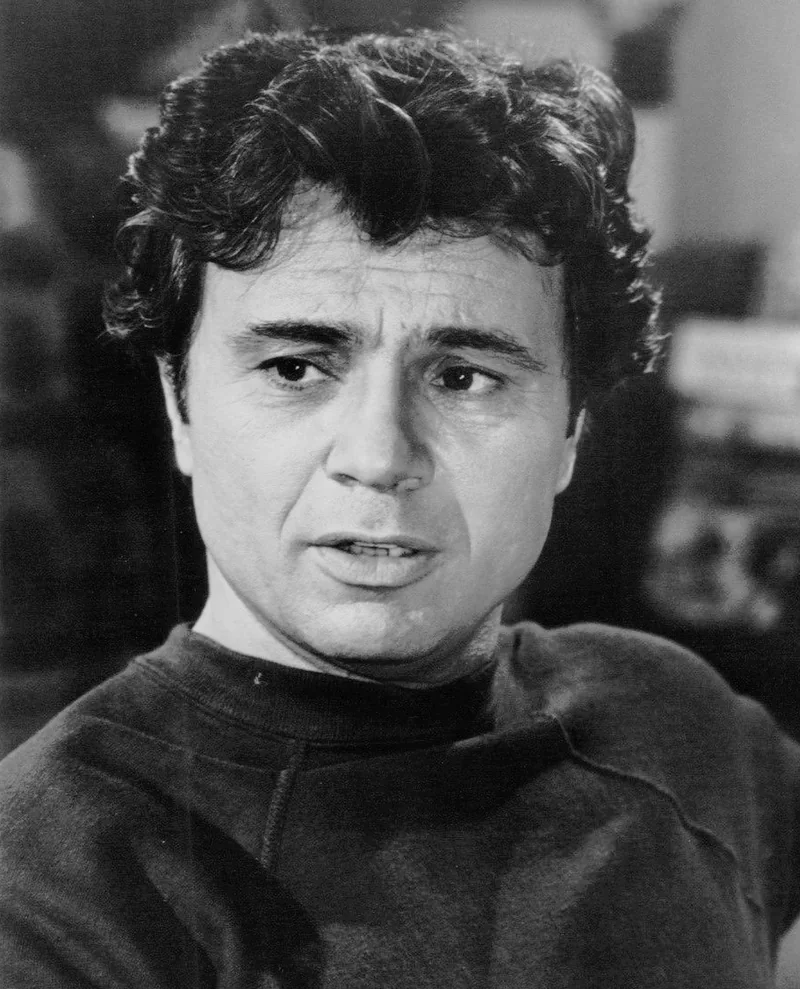
There is also a piece of production history that sits alongside the character and should be stated plainly rather than hinted at. The Mystery Man was Robert Blake's final screen role. Blake had been a television star in the 1970s, and by the mid-1980s his career had largely stopped. He appeared in Lost Highway, and then in nothing else. In 2002 he was charged with the murder of his wife, Bonny Lee Bakley; a jury acquitted him of murder and of one count of solicitation in March 2005, and a separate civil wrongful-death suit later found him liable. The trial made the role retroactively famous, which is why the character now carries an atmosphere the 1997 audience could not have felt. That atmosphere belongs to the actor's biography, not to the film, and the film is stranger without it.
What Do the Videotapes Show, and Who Sends Them?
The tapes escalate in three stages, and the progression is the plot. The first films the outside of the house at night, from the street, with nobody visible operating the camera. The second moves inside and films Fred and Renee asleep. The third films Renee's murdered body. Fred watches each one and becomes more frightened, and the police who eventually investigate treat the tapes as evidence against him without ever identifying who made them. No answer is given. The film does not need one, because the tapes are not a mystery to be solved — they are a symptom.
What they are, in narrative terms, is the fugue's paper trail. Something in Fred knows what he did and keeps trying to tell him, in the only format that cannot be argued with: footage. The tapes are anonymous, unstoppable, and addressed to him personally, which is exactly the behaviour of a mind that has buried a fact and cannot stop excavating it. When the Mystery Man later films Fred at the cabin with a video camera, the film confirms the connection without spelling it out. The same camera that watched the house is in the hands of the figure who remembers.
The origin of the device is documented, and it is not literary. Barry Gifford, who co-wrote the screenplay, described the whole project's starting point in a 2025 memorial essay for Artforum. Lynch had optioned Gifford's novel Night People and had fallen in love with two sentences from it, one of which reads: "We're just a couple of Apaches ridin' wild on the lost highway." Lynch wanted to know what the phrase meant. Gifford suggested it was Kafka's Metamorphosis, and Lynch said he wanted a person to change into another person without becoming an insect. The videotapes were a separate idea Lynch had been carrying since finishing Twin Peaks: Fire Walk with Me in 1992 — a man receiving recordings of his own life from an unknown source. The film is those three fragments assembled into a story.
Is Renee the Same Person as Alice?
Patricia Arquette plays both, and the film never says whether they are the same woman. The evidence points both ways, which is deliberate. Alice has Renee's face and a completely different manner: warmer, hungrier, and openly sexual where Renee was closed. In Pete's world, Alice is a gangster's mistress who chooses him. In Fred's world, Renee is a wife he cannot read. The photograph Pete finds at Andy's apartment is the detail people cite most often, because Alice is absent from it — as though she does not exist outside the story Pete is living. Set against that, the film gives Alice a history, an apartment, and a hold over a violent man, all of which require her to be real to someone other than Pete.
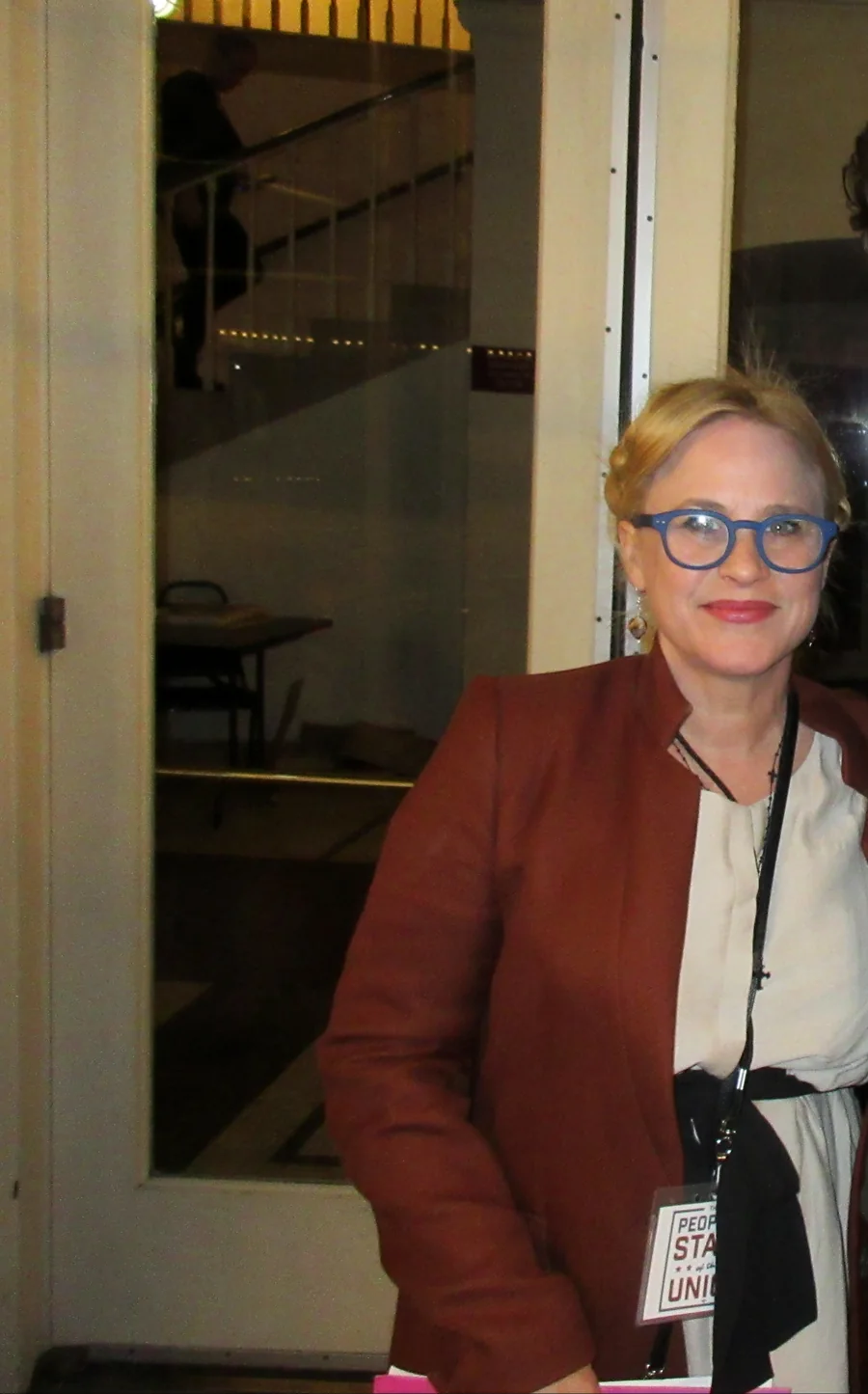
Arquette's own account, given at Series Mania in 2024 and reported by Variety, is the clearest statement anyone connected to the film has made about it. She said she used to ask Lynch whether she was playing two characters or a ghost, and that he would deflect with the same question back: what did she think? Her conclusion, arrived at decades later, is that Alice is not a second woman at all. She is the same woman as seen through the distorted perception of a man who hates her. In Fred's mind, a woman is always the monster, and the version of Renee that Fred builds inside his fugue is not a fantasy of a better wife — it is a fantasy of a woman he is allowed to despise.
That reading also explains why the second half of the film keeps repeating the first half's shape while inverting its details. Fred is passive and suspicious; Pete is active and pursued. Fred's wife is cold; Pete's woman is voracious. Fred plays an instrument; Pete works with his hands. The film is not telling two stories. It is telling one story twice, from inside a mind that has rearranged the furniture and believes the room is new. When the loop closes and Fred is standing at his own gate, the rearrangement has failed, and the second attempt at the same life ends where the first one did.
| Fred's half | Pete's half | |
|---|---|---|
| Fred is | A jazz saxophonist, passive, insomniac | A garage mechanic, active, unburdened |
| The woman | Renee: closed, unreadable, suspected | Alice: warm, sexual, openly pursuing him |
| His position | Inside a marriage he cannot read | Outside it, invited in by the woman |
| The threat | An unnamed man behind the videotapes | A named gangster, Mr. Eddy, who owns her |
| What he wants | To know what his wife is thinking | To have her without anyone's permission |
| How it ends | Arrest, conviction, death row | Violence at Andy's, then a manhunt |
| The result | Both halves end with Fred driving to his own gate | |
The table is the argument. Every line in the second column is a correction of the first, and every correction fails for the same reason: Pete wants what Fred wanted, from the same woman, in a version of the same city, and the film's last act punishes him identically. Patricia Arquette's reading — that Alice is the same woman as perceived by a man who hates her — is the only interpretation that makes the two columns line up instead of competing. It also means the fugue was never an escape. It was a re-run.
Why Did David Lynch Never Explain the Ending?
He refused for twenty-eight years, and he did more than refuse — he blocked other people from doing it. When Kino Lorber released the film on Blu-ray in the United States in June 2019, Lynch publicly criticised it, saying the transfer had been made from old elements rather than a restoration of the original negative, and that he hoped a proper version would appear as soon as possible. Kino Lorber responded that they had sourced the Universal master and had emailed Lynch repeatedly without a reply. Less publicly, the critic Tim Lucas recorded an audio commentary for that edition which was withdrawn at Lynch's insistence.
The Criterion Collection finally released a 4K restoration on 11 October 2022, scanned from the 35mm original A/B camera negative and supervised by Lynch himself, and its extras are deliberately about production rather than meaning. There is a feature-length 1997 documentary, a reading from Lynch's memoir, and an excerpt from Chris Rodley's book of interviews. What there is not is an interpretive commentary, because Lynch would not allow one. In that excerpt he insists he was not trying to confuse anyone and was telling the story the only way he felt it could be told — which is a defence of the method, not an explanation of the ending.
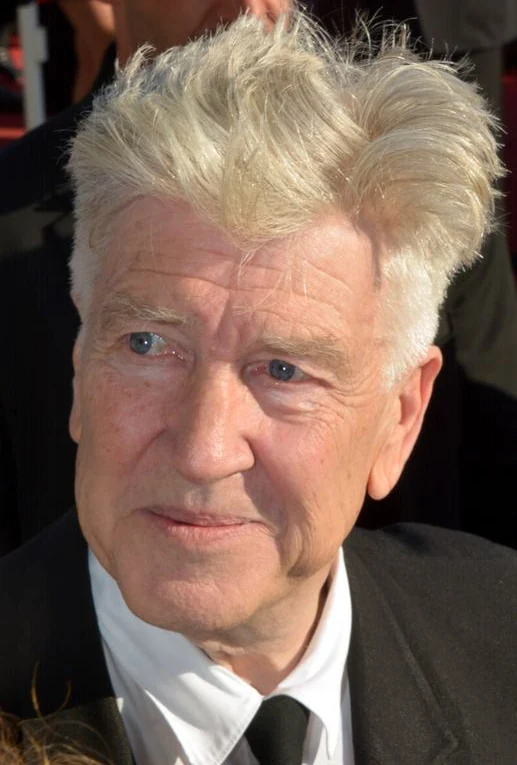
The reason this now matters more than it did is that Lynch died on 16 January 2025, aged 78, days before his 79th birthday. He had announced in August 2024 that he had emphysema after many years of smoking and was largely housebound. He never gave the interview that would have settled anything, and there will not be another one. That makes Lost Highway structurally different from the films that get reinterpreted every decade: the one authoritative voice is gone, and it went silent on purpose. The ending is not ambiguous because the director was being coy in a press cycle. It is ambiguous because the director spent three decades actively preventing an official answer and then died without giving one.
Was the Film Really Inspired by the O.J. Simpson Trial?
Yes, and Lynch said so himself, but he was careful about what kind of inspiration it was. In his 2006 book Catching the Big Fish he wrote that while he and Gifford were writing the script he was, in his own word, obsessed with the O.J. Simpson trial. What struck him was not the crime but the composure: that a man could be accused of two murders and then be seen smiling and playing golf. That image led him to the idea of a mind that compartmentalises a horror so completely that it can carry on as somebody else, which is the film's central mechanism. Gifford has been explicit that the two of them never discussed the trial in those terms, so the connection is Lynch's alone.
"What struck me about O.J. Simpson was that he was able to smile and laugh. He was able to go golfing with seemingly very few problems about the whole thing. I wondered how, if a person did these deeds, he could go on living."
— David Lynch, Catching the Big Fish (2006)
It is worth being precise about what this does and does not mean. Lost Highway is not an allegory about the Simpson case, and nothing in it maps onto the trial's participants or events. It is a film about a jealous husband who murders his wife, made by a director who was thinking about how a man lives after doing that. The distinction matters because the film's reputation has sometimes been inflated into a commentary it never claims to be. What Lynch took from the case was a psychological question — how does the mind survive its own act — and he built a structure that poses it rather than answering it.
Why Did Critics Call It Empty in 1997?
The reception was not mixed so much as split down the middle, and the negative reviews were unusually harsh for a director of Lynch's standing. Roger Ebert gave it two stars and wrote that there was no sense to be made of it, that trying was to miss the point, and that what you see is all you get. He called it a shaggy ghost story and an exercise in style, made with a certain breezy contempt for audiences, and concluded that the film was about design rather than cinema. He noted that he had seen it twice, hoping to make sense of it, and reported that he had failed.
"Lynch is such a talented director. Why does he pull the rug out from under his own films? I have nothing against movies of mystery, deception and puzzlement. It's just that I'd like to think the director has an idea, a purpose, an overview, beyond the arbitrary manipulation of plot elements."
— Roger Ebert, Chicago Sun-Times, 27 February 1997
The audience followed the critics out of the building. Lost Highway opened on 21 February 1997 in 12 theatres and took $212,710, which is a strong per-screen number; it expanded to 212 theatres the following week and then to a maximum of 337, and then it was gone. The film finished its American run with $3.8 million against a budget of $15 million. It was nominated for Worst Picture and Worst Director at the 1997 Stinkers Bad Movie Awards and lost both to Batman & Robin, which is a detail worth keeping because it shows how low the film had fallen in the year's conversation.
Two things changed. The first is time: Rotten Tomatoes now records 70% approval from 63 reviews, with an average rating of 6.40, and the audience score sits at 87%. The second is the soundtrack, which is not a side note. Trent Reznor of Nine Inch Nails produced it, and it assembled David Bowie, Rammstein, Marilyn Manson, Lou Reed, the Smashing Pumpkins and Nine Inch Nails into one record that reached number seven on the Billboard 200. Bowie's "I'm Deranged" opens and closes the film, and for a large part of the audience that found the film in the years after its release, the record was the way in. A film that failed in cinemas became, by the end of the decade, the thing that put David Lynch onto car stereos.
The reappraisal has a specific shape, and it is worth naming because it is the same shape as the ending. The reviews that dismissed the film in 1997 were waiting for the twist that would make the story legible. The reviews that admire it now are describing the absence of that twist as the achievement. Nothing about the film changed between those two positions. What changed is that a generation of viewers stopped expecting a puzzle to have a solution and started treating the loop as the content — which is, on the evidence of everything Lynch said and refused to say, exactly what he built.
Frequently Asked Questions
Why does Fred Madison become Pete Dayton?
Fred enters a psychogenic fugue, a dissociative state in which the mind constructs a new identity to escape something unbearable. Pete is the new self: younger, innocent, with no criminal record. The film never dramatises the transformation as a medical event because Fred experiences it as reality rather than as a break.
What does "Dick Laurent is dead" mean?
It is both the film's first line and its last. At the start it arrives over Fred's intercom from an unknown speaker. At the end Fred speaks it into the same intercom himself, having just killed Dick Laurent — who is also Mr. Eddy. The line proves the narrative is a closed loop, with Fred as both sender and receiver.
Who is the Mystery Man?
He is played by Robert Blake and is never explained. He claims to have met Fred before and to be inside Fred's house while they speak, and he answers Fred's phone from across the room. Most readings treat him as the part of Fred that remembers the murder — the agent who also films the house and mails the tapes.
Are Renee and Alice the same person?
The film refuses to say. Both are played by Patricia Arquette, and Alice is absent from a photograph Pete finds at Andy's apartment. Arquette's own reading, given in 2024, is that Alice is not a second woman but the same woman as perceived by a man who hates her.
Is the whole film a dream?
Not a dream, but a fugue — which is different. A dream has a sleeper who wakes. A fugue is a state the sufferer inhabits while functioning normally, with no memory of the life they left. That distinction is why the film keeps its physical evidence: the tapes, the mask of Fred's old body, the photographs.
Did David Lynch ever explain the ending?
No. He declined for the rest of his life, blocked an audio commentary recorded for the 2019 Kino Lorber Blu-ray, and approved a 2022 Criterion restoration whose extras deliberately avoid interpretation. He died on 16 January 2025 without giving a settled reading.
Was Lost Highway a flop?
Yes. It cost $15 million and earned $3.8 million worldwide, and it was out of American cinemas within about a month. It was nominated for Worst Picture and Worst Director at the 1997 Stinkers Bad Movie Awards.
What is the correct order to watch Lost Highway in?
The order it was released in. The film is not a puzzle with a hidden sequence — the loop is the structure, and rearranging the scenes to make chronological sense removes the thing the film is doing. Watch it once for the story and a second time for the sound, because the sirens in the opening scene are the trace of the closing chase.
Sources
- Lost Highway (1997), dir. David Lynch, written by David Lynch and Barry Gifford. Ciby 2000 / Asymmetrical Productions; distributed by October Films in the United States. 134 minutes, 2.39:1.
- Box office: The Numbers and Box Office Mojo — $15,000,000 budget; $3,814,727 domestic; $53,017 international; $3,867,744 worldwide; opening weekend $212,710 from 12 theatres; maximum 337 theatres.
- Release dates: France 15 January 1997; North American premiere at the Sundance Film Festival, January 1997; United States 21 February 1997.
- Rotten Tomatoes: 70% from 63 reviews, 6.40 average; audience score 87%. Metacritic: 53.
- Roger Ebert, Chicago Sun-Times, 27 February 1997 — two stars out of four.
- Stinkers Bad Movie Awards, 1997 — nominations for Worst Picture and Worst Director.
- David Lynch, interview with Filmmaker magazine, Winter 1997 — on the psychogenic fugue, the musical form, and declining to explain.
- David Lynch, Catching the Big Fish: Meditation, Consciousness and Creativity (2006) — the O.J. Simpson passage.
- Chris Rodley, Lynch on Lynch — on writing the script with Barry Gifford and not discussing meanings.
- Barry Gifford, "David Lynch (1946–2025) remembered," Artforum, 2025 — the origin of the title in Night People, the Kafka exchange, and the videotape idea.
- Patricia Arquette, interviewed at Series Mania, reported by Variety, March 2024 — on playing Renee and Alice.
- Guy Astic, study of Lost Highway, cited in E-rea — the three simultaneous readings.
- Zack Sharf, IndieWire, 26 June 2019 — Lynch's criticism of the Kino Lorber Blu-ray and the label's response.
- The Criterion Collection — 4K restoration supervised by David Lynch, released 11 October 2022, scanned from the 35mm original A/B camera negative.
- Lost Highway soundtrack, produced by Trent Reznor, Interscope Records, released 18 February 1997; 23 tracks; reached number seven on the Billboard 200.
- Olga Neuwirth, Lost Highway (opera), 2003.
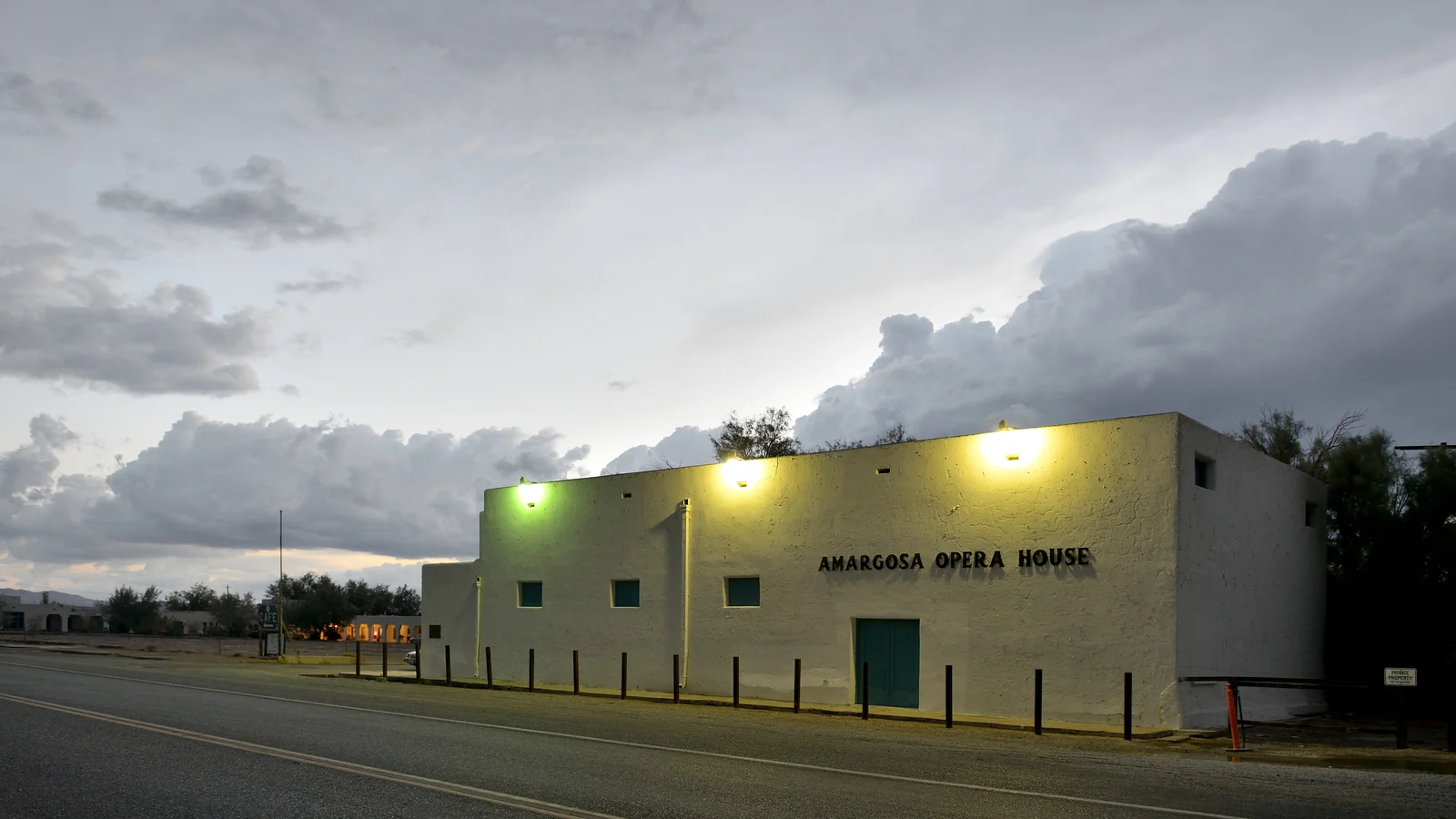
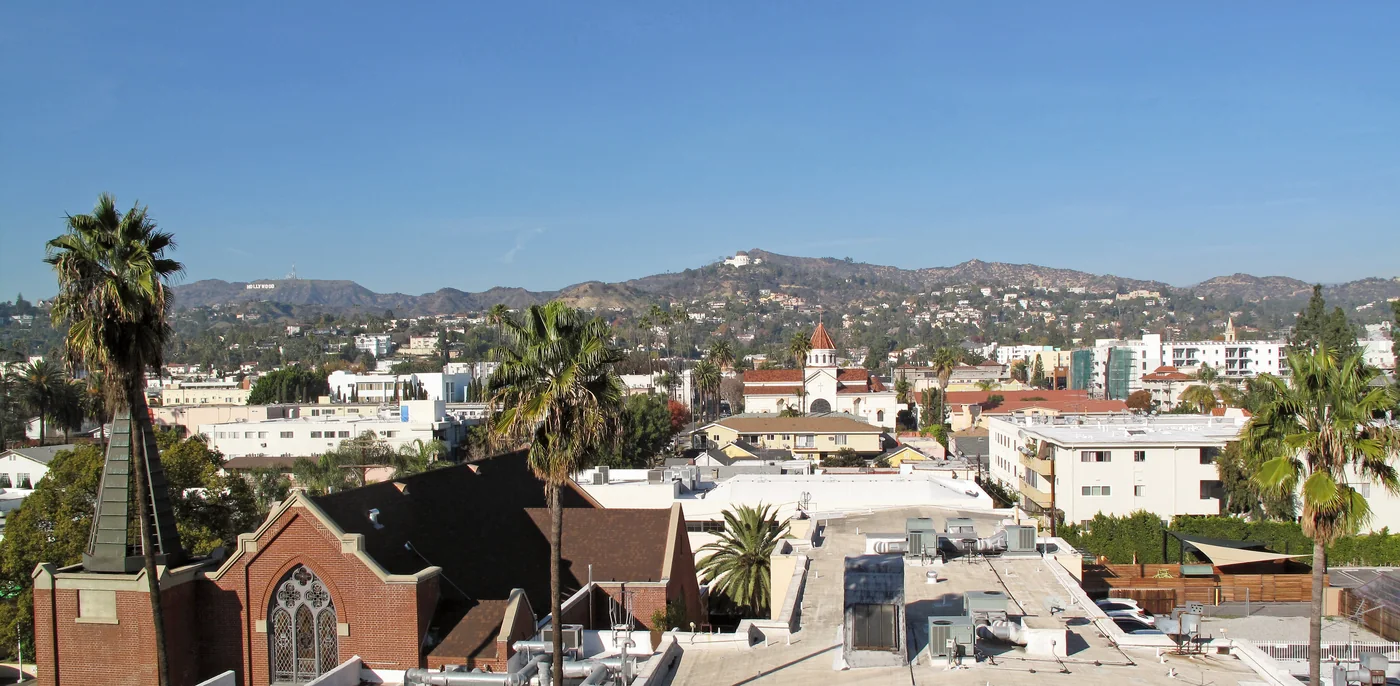
- Filming locations: Griffith Park, Los Angeles (exterior and driving scenes); the Amargosa Opera House and Hotel, Death Valley Junction, California (the Lost Highway Hotel).
- Reuters, BBC, AP and CNN, 16 January 2025 — David Lynch's death at 78; emphysema disclosed August 2024.
- CNN, 16 March 2005, and ABC News, 10 January 2019 — Robert Blake's acquittal and the subsequent civil wrongful-death finding.

Open Ending Editorial
Film analysis desk
We write about films that refuse to answer their own questions. Every claim is sourced to a primary interview, a box-office record, or a review aggregate — and where a source does not exist, we say so instead of guessing.